HVAC Maintenance in Jacksonville, NC: What a Tune-Up Does

A cooling system in Onslow County does not get much of an off-season. Between long humid summers, sandy yards, storm debris, and salt air near Sneads Ferry, Swansboro, and Holly Ridge, heating and air equipment works hard even when it looks fine from the outside.
That is why regular HVAC maintenance in Jacksonville NC matters. A tune-up is not just a quick glance at the thermostat. A trained technician checks the parts that keep your system safe, efficient, and reliable before small issues turn into uncomfortable breakdowns.
For homeowners in Jacksonville, Richlands, Hubert, Sneads Ferry, Swansboro, Holly Ridge, and greater Onslow County, preventative maintenance is one of the simplest ways to help your system handle coastal Eastern North Carolina weather.

What a professional HVAC tune-up usually includes
A heating and air conditioning tune-up is a detailed system check. The exact steps can vary based on your equipment, age, fuel type, and condition, but most professional visits cover the same core areas.
Airflow and filtration checks
Good airflow is the base of good HVAC performance. If air cannot move properly, the system has to work harder, rooms feel uneven, and parts can overheat or freeze.
A technician will typically check:
Air filter condition A dirty filter can restrict airflow and allow more dust to collect inside the system.
Return and supply airflow Weak airflow can point to clogged filters, duct concerns, blower issues, or dirty coils.
Blower components The blower motor and wheel help move conditioned air through the home.
Visible duct concerns Loose, damaged, or poorly sealed duct sections can affect comfort and indoor air quality.
Electrical and safety components
Your HVAC system uses electrical parts every time it starts, stops, and changes stages. Heat, vibration, moisture, and age can wear those parts down.
During a tune-up, a technician may inspect:
Electrical connections
Contactors and relays
Capacitors
Disconnects and wiring
Thermostat operation
System startup and shutdown
Loose or worn electrical components can lead to hard starts, short cycling, or sudden failure. Catching those issues early helps reduce surprise service calls.
Refrigerant and cooling performance
For air conditioners and heat pumps, refrigerant is central to the cooling process. A system does not “use up” refrigerant like fuel. Low refrigerant often points to a leak or another issue that needs attention.
A cooling tune-up may include:
Checking refrigerant pressures when appropriate
Inspecting refrigerant lines
Measuring temperature split
Looking for signs of coil freezing
Checking the condensate drain
In Jacksonville and nearby coastal areas, condensate drain care is especially important. Humid air produces plenty of moisture as the system runs. If the drain clogs, water can back up and cause damage around the indoor unit.
Coils and outdoor equipment
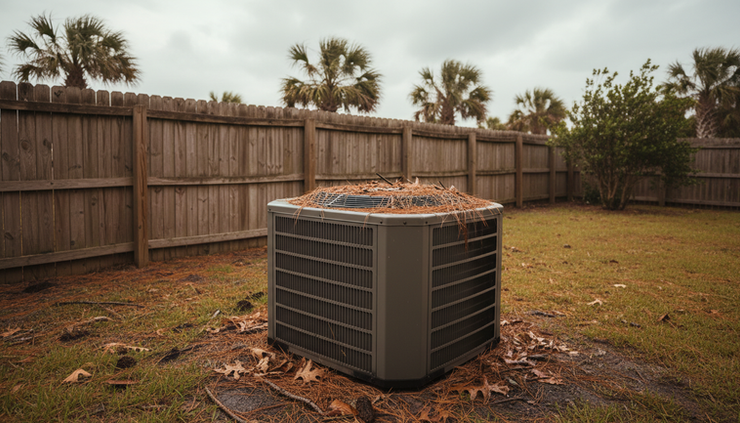
The outdoor unit must release heat. When grass clippings, leaves, pine straw, dirt, or storm debris collect around it, the system struggles.
A technician will often check:
Outdoor coil condition
Fan motor and fan blade
Cabinet condition
Unit clearance
Signs of corrosion
Debris around the base
Homes closer to the coast, including areas around Sneads Ferry, Swansboro, and Holly Ridge, may deal with more salt-air exposure. Salt can speed up corrosion on outdoor components, so regular inspection is especially useful.
Heating system checks
Even though cooling gets most of the attention in Eastern North Carolina, heating equipment still needs care. Heat pumps run year-round, and furnaces need safe operation when cooler weather arrives.
A heating tune-up may include:
Testing heat mode
Checking defrost operation on heat pumps
Inspecting burners or ignition where applicable
Checking flame sensor condition where applicable
Verifying safety controls
Inspecting venting on fuel-burning systems
The goal is simple: make sure the system can heat safely and consistently before the first cold snap.

Why preventative maintenance matters for Onslow County homes
Preventative HVAC maintenance is not about making old equipment new again. It is about helping the system run as cleanly, safely, and consistently as it can.
It supports better efficiency
When coils are dirty, filters are clogged, or airflow is restricted, the system has to run longer to do the same job. That can raise energy use and make the home feel less comfortable.
A tune-up supports efficiency by helping the system move air properly, transfer heat correctly, and start without unnecessary strain. No company should promise guaranteed savings from one visit, but a clean, well-adjusted system is usually in a better position to perform as designed.
It helps comfort stay more consistent
Comfort issues often show up as small annoyances first. One room feels sticky. The hallway cools down, but the bedroom does not. The system runs, stops, and starts again too often.
During a maintenance visit, a technician can look for causes such as weak airflow, thermostat issues, dirty coils, or early equipment wear. The result can be steadier temperatures and better humidity control.
That matters in Jacksonville and Richlands, where summer humidity can make a home feel warm even when the thermostat number looks reasonable.
It can help extend system life
HVAC systems have moving parts, electrical parts, motors, coils, drains, and controls. Dirt, heat, moisture, and vibration all add wear over time.
Maintenance helps reduce avoidable stress. Tightening a connection, clearing a drain, replacing a dirty filter, or cleaning around the outdoor unit may seem small, but those steps help the system avoid working harder than necessary.
It supports indoor air quality
Your HVAC system moves air through the home many times a day. If the filter is clogged, the blower is dirty, or moisture is collecting where it should not, indoor air can feel stale or dusty.
Maintenance can help by improving filtration, reducing dust buildup inside accessible parts of the system, and checking for drainage problems that may contribute to excess moisture. For households with pets, allergies, or lots of sandy foot traffic from the yard or beach, filter care is especially important.
It helps find problems early
Many HVAC problems give clues before they cause a breakdown. A weak capacitor, clogged drain, dirty coil, or failing motor may still let the system run for a while.
A tune-up gives a trained technician the chance to spot those warning signs. Early detection can help homeowners plan repairs instead of dealing with an uncomfortable surprise during a hot July afternoon.
Local conditions that make maintenance more important
Eastern North Carolina is a demanding place for HVAC equipment. The weather and environment around Onslow County create a few common challenges.
Heavy cooling use
Air conditioners and heat pumps in Jacksonville often run for long stretches during warm months. Long runtimes are normal in summer, but they also mean more wear on motors, capacitors, contactors, and fans.
Scheduling maintenance before peak cooling season helps prepare the system for the months when it will work the hardest.
High humidity
Humidity makes cooling more complicated. The system has to remove moisture as well as heat. If airflow is off, coils are dirty, or the system is short cycling, the home may feel clammy.
A maintenance visit can help verify that the system is draining properly and running in a way that supports better humidity control.
Storm debris and yard buildup
Thunderstorms, tropical weather, and windy days can leave leaves, pine needles, branches, and dirt around the outdoor unit. Even normal mowing can throw grass clippings against the coil.
Keeping the area around the outdoor unit clear helps it release heat. After storms, a quick visual check can prevent debris from sitting against the cabinet for weeks.
Salt-air exposure near the coast
Homes in Sneads Ferry, Swansboro, Holly Ridge, and other areas closer to the water may see more corrosion on outdoor equipment. Salt air can be hard on metal parts, coils, screws, and electrical components.
Regular inspection helps identify corrosion early, before it affects operation or makes future service more difficult.
Warning signs your HVAC system needs service
Do not wait for a full breakdown if the system is acting differently. Call for service if you notice any of these warning signs:
Warm air from the vents in cooling mode This can point to refrigerant, coil, compressor, or airflow concerns.
Weak airflow A dirty filter, blower issue, duct problem, or frozen coil can reduce airflow.
Short cycling If the system turns on and off too often, it may be overheating, oversized, low on refrigerant, or dealing with a control issue.
New noises Grinding, buzzing, rattling, or squealing should be checked.
Unusual smells Musty smells can point to moisture or drainage issues. Burning smells need prompt attention.
Water near the indoor unit A clogged condensate drain can cause leaks and water damage.
Higher energy bills without a clear reason A struggling system may run longer than usual.
Uneven temperatures Hot and cold spots can come from airflow, duct, thermostat, or equipment problems.
Ice on the refrigerant lines or coil Ice is not normal in cooling mode. Turn the system off and call for service.
Homeowner tasks between professional visits
Professional maintenance matters, but homeowners can do a few simple things between visits to help the system stay in better shape.
Change or check the air filter
Check the filter regularly and replace it when it looks dirty. Homes with pets, heavy dust, or frequent system use may need more frequent filter changes.
Use the filter size and type recommended for your system. A filter that is too restrictive can reduce airflow.
Keep the outdoor unit clear
Leave open space around the condenser so it can breathe. Trim plants back, remove leaves, and avoid stacking items near the unit.
After mowing, rinse loose grass clippings off the cabinet gently if needed. Do not use high pressure on coils.
Watch the condensate drain
If you see water around the indoor unit, staining near the drain line, or repeated float switch shutoffs, call for service. Humid coastal air makes drainage problems more common.
Use the thermostat wisely
Avoid constant large temperature swings. Set a comfortable temperature and let the system run steadily. If the thermostat display is blank, inaccurate, or unresponsive, that may also need attention.
Do a quick check after storms
After strong winds or heavy rain, look at the outdoor unit from a safe distance. Clear loose debris around it. If a branch hit the unit, the cabinet shifted, or wires look damaged, do not run the system until it is inspected.

When to schedule professional maintenance
Most HVAC systems should be maintained at least once a year. Many homes benefit from two visits per year, one before cooling season and one before heating season.
For Jacksonville and Onslow County, a practical schedule is:
Spring Schedule AC or heat pump maintenance before heavy summer cooling begins.
Fall Schedule heating maintenance before cooler nights arrive.
After major weather events If storm debris, flooding, impact damage, or unusual operation follows a storm, schedule an inspection.
Before buying or selling a home A maintenance visit can help identify system concerns before they become negotiation problems.
When performance changes If the system sounds, smells, or feels different, do not wait for the next planned visit.
Simply Right Heating & Cooling LLC serves homeowners in Jacksonville, Richlands, Hubert, Sneads Ferry, Swansboro, Holly Ridge, and surrounding Onslow County communities. The company is veteran-owned, licensed and insured, with NATE-certified technicians and NC H2/H3 licensing. That combination matters when a system needs more than a basic filter change, especially in a coastal climate where moisture, corrosion, and heavy cooling use all affect performance.
Frequently asked questions
How does preventative HVAC maintenance improve system efficiency?
Preventative maintenance helps the system run with proper airflow, cleaner coils, better electrical performance, and fewer avoidable restrictions. When the system can move air and transfer heat correctly, it does not have to work as hard to heat or cool the home.
Where can I schedule an AC tune-up in Jacksonville, NC?
Homeowners can schedule an AC tune-up in Jacksonville, NC, with Simply Right Heating & Cooling LLC. The company also serves nearby areas including Richlands, Hubert, Sneads Ferry, Swansboro, Holly Ridge, and greater Onslow County.
How often should an HVAC system be maintained?
Most systems should be professionally maintained at least once a year. Many homeowners schedule maintenance twice a year, with cooling service in spring and heating service in fall. Heat pumps often benefit from this twice-yearly schedule because they provide both heating and cooling.
A tune-up is a small step that can prevent bigger headaches
HVAC maintenance will not stop every breakdown, and it cannot make worn-out equipment last forever. It can give your system a better chance to run efficiently, control humidity, protect comfort, and catch issues while they are still manageable.
For homes in Jacksonville and coastal Eastern North Carolina, that regular attention is especially helpful. Long cooling seasons, humid air, storm debris, and salt exposure all add stress to heating and air equipment.
To schedule maintenance, call Simply Right Heating & Cooling LLC at 910-375-9204 or visit the HVAC maintenance plans page.


Comments